
PRP Facial for Skin: How Platelet-Rich Plasma Therapy Improves Texture and Glow
If you’ve spent any time on skincare social media, you’ve probably come across the term “vampire facial” — usually alongside a slightly dramatic photo of someone with a face covered in their own blood plasma. It sounds more like a gimmick than a legitimate treatment, which is exactly why so many people dismiss it before actually understanding what it is. Strip away the dramatic name, though, and PRP (Platelet-Rich Plasma) facial therapy is one of the more scientifically grounded regenerative treatments available for improving skin texture, tone, and overall glow — because it isn’t introducing anything foreign into your skin. It’s using your own blood’s natural healing components, concentrated and reintroduced exactly where you need them.
Here’s what’s actually happening during a PRP facial, what it can realistically do for your skin, and what to expect if you’re considering it.
What Is a PRP Facial?
PRP facial therapy starts with a simple blood draw — similar to what you’d experience during a routine blood test. That sample is then placed into a centrifuge, a machine that spins the blood at high speed to separate it into its different components based on density. What you’re left with is a concentrated layer of platelet-rich plasma: the portion of your blood richest in growth factors, which are the signalling proteins responsible for tissue repair and regeneration.
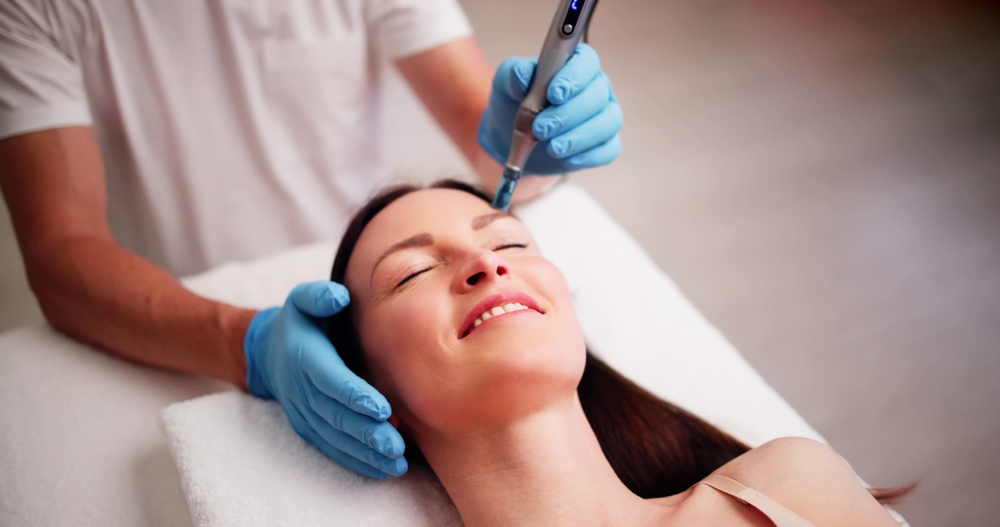
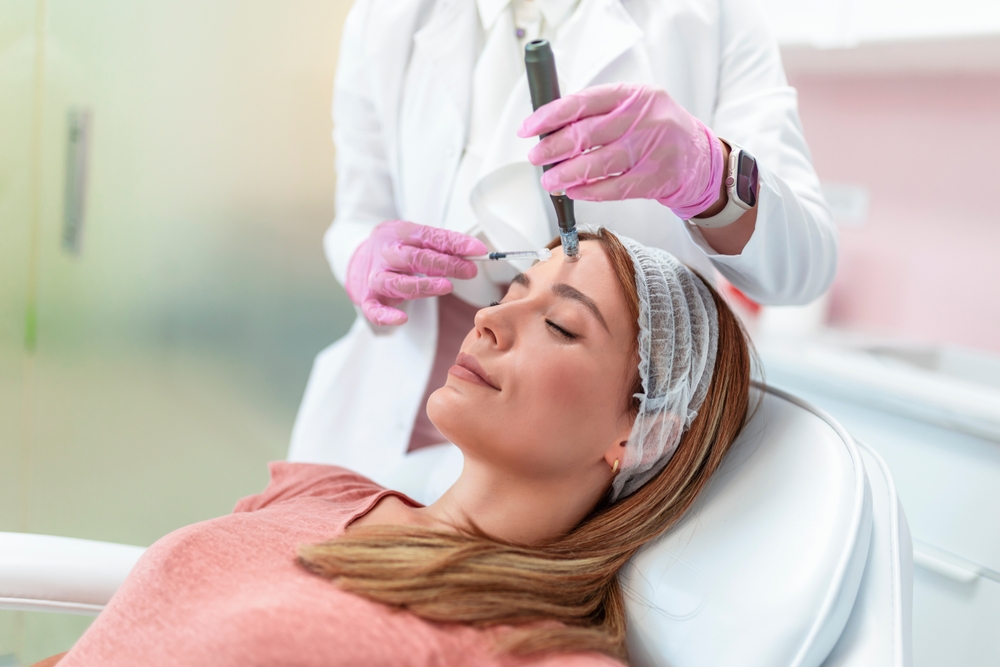
This concentrated plasma is then reintroduced into the skin, typically through fine micro-needling (tiny, controlled punctures that help the plasma penetrate deeper into the skin) or through targeted micro-injections in specific areas of concern, such as under-eye hollows.
Because the plasma comes from your own body, there’s no foreign substance being introduced — which is a large part of why PRP has a strong safety profile and a very low risk of allergic reaction compared to many synthetic alternatives.
How It Actually Works on Your Skin
Growth factors in platelet-rich plasma send a direct signal to the fibroblast cells in your skin — the cells responsible for producing collagen and elastin, the structural proteins that keep skin firm, smooth, and elastic. As we age, fibroblast activity naturally slows down, which is part of why skin loses firmness and develops a duller, less even texture over time.
By concentrating and reintroducing these growth factors directly into the skin, PRP essentially gives fibroblast activity a renewed push, accelerating the skin’s own natural repair and regeneration process rather than masking the problem on the surface. This is the key distinction between PRP and purely topical treatments — it’s working from within the skin’s own biology rather than sitting on top of it.
What PRP Facials Actually Improve
Based on how the treatment works, PRP tends to be most effective for:
- Overall skin texture and smoothness — as collagen production increases, skin typically feels noticeably smoother to the touch
- Fine lines — early, superficial lines often soften as skin thickness and elasticity improve
- Acne scarring — particularly shallow to moderate scarring, which can improve gradually over a course of sessions as skin remodels
- Under-eye dullness and dark circles — a commonly requested use, since this is an area where skin is thin and growth factors can have a visible effect
- Dull, tired-looking skin — improved circulation and cell turnover contribute to a more radiant, “lit from within” appearance
It’s worth setting realistic expectations here: PRP is a regenerative treatment that works gradually, not an instant resurfacing procedure. It won’t dramatically change deep static wrinkles or significant volume loss — those are better addressed with treatments like dermal fillers — but for skin quality, tone, and texture specifically, it’s one of the more natural, lower-risk options available.
The Procedure Step by Step
A typical PRP facial session follows a consistent process:
- A small blood sample is drawn from your arm, just as in a routine blood test
- The sample is placed into a centrifuge and spun to separate and concentrate the platelet-rich plasma
- Topical numbing cream is applied to your face to minimize discomfort
- Once numb, the concentrated PRP is delivered into the skin — either via fine micro-needling across the treatment area or targeted injections for specific concerns like under-eye hollows
The entire session, including preparation and processing time, usually takes 45 to 60 minutes from start to finish.
Recovery and Downtime
One of the more appealing aspects of PRP therapy is how little disruption it causes to daily life. Immediately after treatment, mild redness and slight swelling — often compared to a mild sunburn — is common and typically fades within 24 to 48 hours.
Most patients are comfortable going without makeup for the first day to let the skin settle, after which makeup can generally be resumed as normal. There’s no significant downtime requiring time off work, which is a large part of why it’s popular among patients who want visible improvement without disrupting their routine.
The visible “glow” that many patients notice can appear within the first week as skin calms down post-treatment, but the deeper improvement in texture and tone — the part driven by actual collagen remodelling — builds more gradually over the following four to six weeks per session.
How Many Sessions Are Typically Needed?
PRP is not usually a one-and-done treatment. Because it works by stimulating a biological process rather than delivering an instant cosmetic change, most treatment plans involve a course of 3 to 4 sessions spaced 4 to 6 weeks apart, allowing each round of collagen stimulation to build on the last. After the initial course, many patients opt for periodic maintenance sessions — commonly every few months — to sustain results over time.
This is an important expectation to set upfront: a single session can offer some benefit, but the more noticeable, cumulative improvement in skin texture and glow comes from completing the full initial course rather than trying it once and judging the results in isolation.
Who Should Avoid PRP Therapy?
While PRP has a strong safety profile due to using the patient’s own blood, it isn’t universally appropriate for everyone. It’s generally not recommended for patients with:
- Active skin infections or breakouts in the treatment area
- Certain blood disorders or clotting abnormalities
- Current use of specific blood-thinning medications
- A history of certain chronic conditions that your doctor will screen for during consultation
A detailed medical history review is a standard part of any proper PRP consultation, which is exactly why this isn’t a treatment to pursue through unverified or unlicensed providers — the blood processing and injection technique both matter for both safety and results.
Combining PRP With Other Treatments
PRP is frequently used alongside other regenerative and rejuvenating treatments rather than as a standalone fix. It’s commonly paired with microneedling (where the needling itself is also mechanically beneficial for collagen stimulation, independent of the PRP) or mesotherapy, for a more comprehensive skin rejuvenation approach. Both of these, along with PRP therapy itself, are part of the full range of options on Morph Aesthetic’s anti-ageing treatments page.
If your main concerns extend beyond texture and glow — for instance, if sagging or actual lines are part of the picture too — it may be worth reviewing that same page for complementary options like dermal fillers for volume, or Botox for expression lines, since a comprehensive plan often addresses more than one concern at once rather than relying on a single treatment to do everything.
Frequently Asked Questions
If dull, uneven, or tired-looking skin has been bothering you and you’re curious whether PRP therapy is the right fit, book a consultation with Dr. Dhaval Vanzara or Dr. Ronak Kadia at Morph Aesthetic — schedule here — for a personalised assessment of your skin and a treatment plan built around your actual goals.
EXCELLENTTrustindex verifies that the original source of the review is Google. Good experiencePosted on GoogleTrustindex verifies that the original source of the review is Google. It is a very good clinic with a very helpful staff and extremely clean. It gives u a personalized experience and comfort like never before❣️Posted on GoogleTrustindex verifies that the original source of the review is Google. good behaviour and nice counsaltuntPosted on GoogleTrustindex verifies that the original source of the review is Google. Had a great experience with dr Ronak and dr dhaval for surgery , sakshi ma’am and dr shruti also served us meticulously.Posted on GoogleTrustindex verifies that the original source of the review is Google. Excellent service and amazing result. Highly recommend morph anesthetic. Professional staff.great care.and a wonderful experience. Best plastic surgeon in Ahmedabad.Posted on GoogleTrustindex verifies that the original source of the review is Google. Very nice service..Posted on GoogleTrustindex verifies that the original source of the review is Google. I recently had my child's surgery done at Morph Aesthetic Clinic by Dr. Dhaval Vanzara and Dr. Ronak Kadia, and I couldn't be happier. Both doctors are exceptionally skilled and professional. Before the procedure, they explained everything to me so clearly, and the final result is exactly what I expected and hoped for. Beyond their expertise, both doctors have a wonderful, kind, and supportive nature. Highly recommend this clinic for their outstanding care and perfect results.Posted on GoogleTrustindex verifies that the original source of the review is Google. Nice and clean work and dr is so humble and passionate for work and so good for attend the patient