


Gynecomastia vs. Pseudogynecomastia in 2026: How to Identify and Choose the Right Treatment
Understanding the Differences Between Gynecomastia and Pseudogynecomastia
In 2026, men seeking aesthetic solutions to their chest concerns face a growing understanding of two distinct conditions: gynecomastia vs pseudogynecomastia. While both result in enlarged breast tissue in men, their causes and treatments are fundamentally different. Understanding the distinctions between the two can significantly impact your treatment journey and outcome.
At Morph Aesthetic Clinic, we specialize in treating both conditions with personalized care and modern techniques. If you’ve noticed changes in your chest and are unsure of the cause, this comprehensive guide will help you identify the condition and choose the most effective treatment plan.
What is Gynecomastia?
Gynecomastia is the enlargement of male breast tissue caused by an imbalance in hormone levels, primarily excess estrogen or a decrease in testosterone.
Gynecomastia affects many men, especially during puberty, but it can also develop later in life due to factors like aging, obesity, or the use of certain medications. The condition results in swollen, tender breast tissue, and it is typically symmetrical in nature.
Key Symptoms of Gynecomastia:
- Enlarged, swollen breast tissue (both sides or one side).
- Tenderness or sensitivity in the breast area.
- Increase in glandular breast tissue.
Gynecomastia is caused by hormonal imbalance and leads to the development of breast gland tissue, which feels firm and often tender.
What is Pseudogynecomastia?
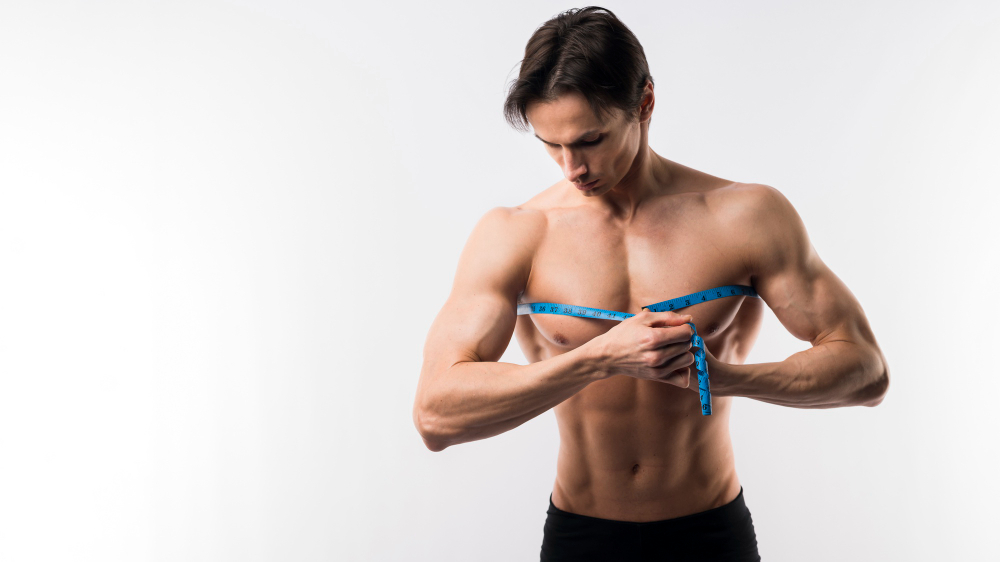
Pseudogynecomastia occurs when there is an accumulation of excess fat in the chest area, not glandular tissue. It is more commonly seen in men with higher body fat percentage.
Unlike gynecomastia, pseudogynecomastia does not involve an imbalance of hormones, but rather the distribution of fat. The condition can be associated with lifestyle factors like obesity, sedentary habits, or poor diet.
Key Symptoms of Pseudogynecomastia:
- Enlarged chest due to fat accumulation.
- No firm or tender breast tissue (soft to the touch).
- Often found in overweight or obese individuals.
Pseudogynecomastia is characterized by fat accumulation in the chest area, without any hormonal influence or glandular tissue development.
How to Identify Gynecomastia vs. Pseudogynecomastia
The key to differentiating gynecomastia from pseudogynecomastia lies in whether the enlargement is caused by fat or glandular tissue. Gynecomastia involves firm, tender tissue, whereas pseudogynecomastia is caused by fatty deposits without any tenderness.
Diagnostic Process:
- Physical Examination: A skilled professional will check for tenderness and the texture of the breast tissue.
- Hormonal Testing: Blood tests may be conducted to assess estrogen and testosterone levels.
- Imaging: In some cases, an ultrasound or mammogram may be used to check the nature of the tissue.
Your doctor will perform a physical exam, possibly accompanied by lab tests, to determine whether you have gynecomastia or pseudogynecomastia.
Treatment Options for Gynecomastia
Treatment for gynecomastia focuses on reducing glandular tissue. Surgery is the most effective option for permanent results.
Surgical Treatment Options:
- Liposuction for Gynecomastia: Used when the glandular tissue is minimal and excess fat is the primary concern.
- Mastectomy: Surgical removal of excess glandular tissue when liposuction alone is not enough.
Gynecomastia treatment typically involves either liposuction or mastectomy, depending on the severity of the condition.
Treatment Options for Pseudogynecomastia
For pseudogynecomastia, the primary treatment involves reducing fat through lifestyle changes or surgery.
Non-Surgical Treatment:
- Weight Loss: Reducing body fat through a balanced diet and exercise is the first approach to managing pseudogynecomastia.
- Liposuction: If lifestyle changes don’t provide sufficient results, liposuction can be used to remove excess fat from the chest area.
Pseudogynecomastia can be treated through weight loss and liposuction if necessary.
Why Choose Morph Aesthetic Clinic for Gynecomastia & Pseudogynecomastia Treatment?
At Morph Aesthetic Clinic, we offer advanced, personalized treatment plans for both gynecomastia and pseudogynecomastia. Our experienced team, led by Dr. Dhaval Vanzara and Dr. Ronak Kadia, will guide you through the diagnosis, treatment options, and recovery process.
Why Choose Us?:
- Expert Surgeons: Dr. Dhaval Vanzara and Dr. Ronak Kadia specialize in gynecomastia surgery, with years of experience in body contouring procedures.
- Personalized Care: Each treatment plan is customized to your body type and aesthetic goals, ensuring the best possible results.
- Cutting-Edge Techniques: We use the latest surgical techniques to ensure precision, minimal scarring, and faster recovery times.
With our experienced team and advanced techniques, we ensure safe, effective results that restore confidence and natural body balance.
Should You Consider Treatment for Gynecomastia or Pseudogynecomastia?
If you’re bothered by enlarged chest tissue or fat deposits, professional treatment can help you achieve a more natural and toned chest appearance.
Both gynecomastia and pseudogynecomastia are treatable conditions, but understanding the difference between the two is key to choosing the right solution. At Morph Aesthetic Clinic, our team is ready to help you explore your options and guide you to the best outcome.
Ready to take the next step? for a consultation with Dr. Dhaval Vanzara and Dr. Ronak Kadia.
EXCELLENTTrustindex verifies that the original source of the review is Google. I had a very positive experience at Morph Aesthetic Clinic with Dr. Dhaval. I consulted him regarding my hair thinning concerns, and I truly appreciated the time he took to listen carefully and understand my situation. What stood out the most was his honest and professional approach. He provided practical and appropriate suggestions without any marketing pressure or attempts to oversell treatments or products. His consultation felt genuine, informative, and focused on what would actually be suitable for me. I also valued that he did not make unrealistic promises or raise false hopes, which shows a high level of integrity and professionalism. I would definitely recommend Dr. Dhaval and Morph Aesthetic Clinic to anyone looking for trustworthy and thoughtful consultationPosted onTrustindex verifies that the original source of the review is Google. I came for the consultation for a surgery that I need to be done and Dr Raunak and Dr Dhaval were so welcoming and so warm to talk to. I was given my space to share my concerns and I was given all suggestions and options required to opt for it. Thank you so much for such a good experience.Posted onTrustindex verifies that the original source of the review is Google. I had a wonderful experience with my Hydra Facial at Morph Esthetic Clinic. I specially took this treatment for my baby shower function, and I’m so happy with the results. The treatment was very soothing and professionally done, and I could immediately notice a beautiful glow and smoothness on my skin. It felt deeply hydrated, fresh, and radiant for my special day. I sincerely thank Dr. Ronak and Dr. Dhaval for their expert advice and careful approach. They assessed my skin properly and guided me with the best treatment option. Their calm and friendly nature made me feel very comfortable and confident. The staff members are very courteous and attentive, and the clinic maintains excellent hygiene standards. I truly appreciate the dedication of the whole team. Highly recommended for anyone looking for genuine skincare results and professional care for their special occasions. ✨Posted onTrustindex verifies that the original source of the review is Google. I am extremely thankful to MORPH AESTHETIC CLINIC (Dr. Dhaval and Dr. Ronak) for their excellent care and support towards me . The team members are highly skilled, professional, and very kind. They explained everything clearly, answered all my questions patiently, and made me feel completely comfortable and confident before the procedure. The hospital environment was very clean and well-maintained. The entire staff was polite, caring, and always ready to help. everything was managed smoothly and professionally. I truly appreciate the dedication and personal attention given to me. I am very happy with my results and highly recommend Dr. Dhaval, Dr. Ronak, and their team to anyone looking for safe and expert plastic surgery treatment. Thank you so much for the wonderful care and support. 🙏 YOU ARE THE BEST👍Posted onTrustindex verifies that the original source of the review is Google. My interaction with Dr. Dhaval and Dr. Ronak Kadia further strengthened my confidence in the institution. Both doctors carry an exceptionally down-to-earth personality, which immediately builds trust and comfort. Despite their expertise, their humility and patient-first approach truly differentiate them. Their communication skills are outstanding — they explain every detail with clarity, patience, and professionalism. What impressed me most is their deep clinical understanding and sharp aesthetic sense. Their ability to assess, analyze, and recommend personalized solutions reflects strong domain knowledge and practical experience. It is rare to see such a powerful combination of expertise, ethics, and empathy in one place. Their leadership and approach elevate Morph Aesthetic to a benchmark level in Ahmedabad.Posted onTrustindex verifies that the original source of the review is Google. Hello, My name is sweta rajput and my partner name is meet rajput we currently undergoing liposuction surgery for my partner and the result was very good and it was a very successful surgery. Dr. Dhaval vanzara supported us a lot for this and atmosphere there is also very good. Thank you so much dr. dhaval🙏🙏Posted onTrustindex verifies that the original source of the review is Google. Nice experience, Nice coordination between staff. Cooperative staff.
Post a comment