

Why a Pressure Garment After Liposuction Is Non-Negotiable: Complete Recovery Guide
If you have recently had liposuction or are preparing for it, you have almost certainly been told that you will need to wear a compression garment afterwards. Many patients treat this instruction as optional — something they will do when convenient, or stop wearing once they feel comfortable.
This is one of the most consequential mistakes a liposuction patient can make.
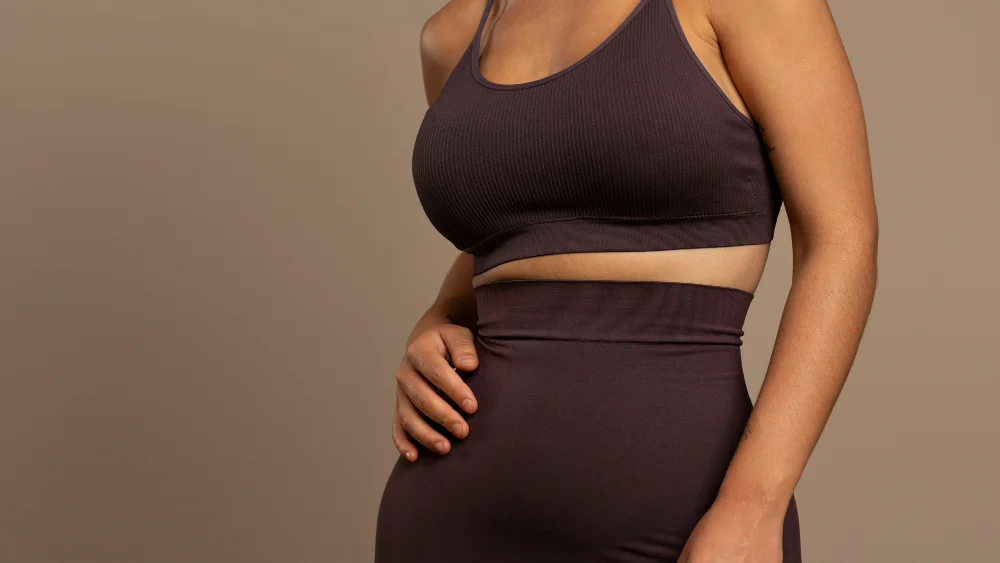
A properly fitted, consistently worn pressure garment is not a comfort accessory — it is an active component of your surgical result. The final shape of your body after liposuction is determined as much by how your skin and tissues contract during healing as by the surgery itself. Your pressure garment guides this contraction process. Without it, the result is often uneven, lumpy, and disappointing — regardless of how technically excellent the surgery was.
This guide from Morph Aesthetic, Sola, Ahmedabad explains exactly why compression is essential, what the garment does during each phase of recovery, how to wear it correctly, and what to expect during your liposuction recovery.
What Happens to Your Body During Liposuction?
To understand why compression matters so much, you need to understand what liposuction actually does to tissues.
During liposuction, a thin cannula is inserted through small incisions and moved through the fat layer to break up and suction out fat cells. This process:
- Removes volume from within the tissue layer
- Creates empty spaces (tunnels) where the fat used to be
- Disrupts small blood vessels and lymphatic channels
- Triggers the inflammatory healing response
- Causes fluid accumulation (seroma) in the treated spaces
Your body then begins a 3–6 month process of healing, during which:
- Fluid is reabsorbed
- Swelling gradually subsides
- Skin begins to retract and adhere to deeper tissues
- Scar tissue forms and matures
The compression garment guides every aspect of this healing process. Without external compression, fluid accumulates unevenly, skin retracts irregularly, and scar tissue forms without the smooth contraction that produces a good cosmetic result.
What Does a Pressure Garment Actually Do?
1. Prevents Seroma Formation
The empty spaces left after fat removal fill with serous fluid (seroma) if not compressed. Seromas require drainage — they are uncomfortable, delay healing, and can become infected. Consistent compression dramatically reduces seroma formation by keeping the tissue layers in contact.
2. Reduces Post-Operative Swelling
Compression limits fluid accumulation in the treated area, reducing the extent and duration of post-operative swelling. This means you see your results sooner — and recovery is more comfortable.
3. Provides Comfort and Support
The treated area is bruised, tender, and sensitive. A well-fitted compression garment stabilises the area, reducing movement-related pain and providing the external support that makes the first weeks of recovery manageable.
4. Guides Skin Retraction
This is the most critical function. After fat is removed, the overlying skin must retract and adhere smoothly to the underlying muscle and fascia. Compression applies even, consistent pressure that guides the skin to contract smoothly rather than unevenly — directly determining how smooth and flat your final result is.
5. Prevents Contour Irregularities
Without compression, the skin can adhere irregularly to the underlying tissue, creating lumps, bumps, and waves in the treated area — a condition called contour irregularity. Consistent compression prevents these from developing.
6. Reduces Risk of Deep Vein Thrombosis (DVT)
For procedures on the thighs and lower extremities, compression improves venous return from the legs – reducing the risk of blood clot formation during the period of reduced mobility.
How Long Should You Wear a Compression Garment After Liposuction?
This is the question patients ask most often — and where compliance tends to drop off.
Weeks 1–2: Full-Time Wear (22–24 Hours Per Day)
The first two weeks are the most critical. The garment should be worn continuously — removed only for showering, wound care, and physical therapy exercises. Removing it for extended periods during this phase allows fluid to accumulate rapidly and disrupts skin adhesion.
Weeks 3–6: Daytime Wear (16–20 Hours Per Day)
Swelling has reduced and tissues are beginning to stabilise. The garment can be removed for sleeping if your surgeon permits, but should be worn throughout all waking hours.
Weeks 6–12: Part-Time Wear (12–16 Hours Per Day)
Continued compression during the day supports ongoing skin contraction as the deeper healing process continues. Many patients feel they no longer need the garment at this stage — but the deep tissue remodelling is still actively happening. Stopping early can result in a less smooth final outcome.
Months 3–6: As Directed by Your Surgeon
Some patients benefit from continued compression during exercise, for high-impact activities, or when they notice residual swelling at end of day. Dr. Dhaval Vanzara or Dr. Ronak Kadia will advise individually on extended wear based on your healing progress.
Types of Compression Garments for Liposuction Recovery
Stage 1 Garments (Weeks 1–3)
Firmer compression, easier to don over post-surgical dressings. Often includes boning or reinforcement for maximum structure.
Stage 2 Garments (Weeks 3 onwards)
Lighter compression, more comfortable for extended wear as swelling reduces. Better suited for ongoing daily use.
Area-Specific Garments
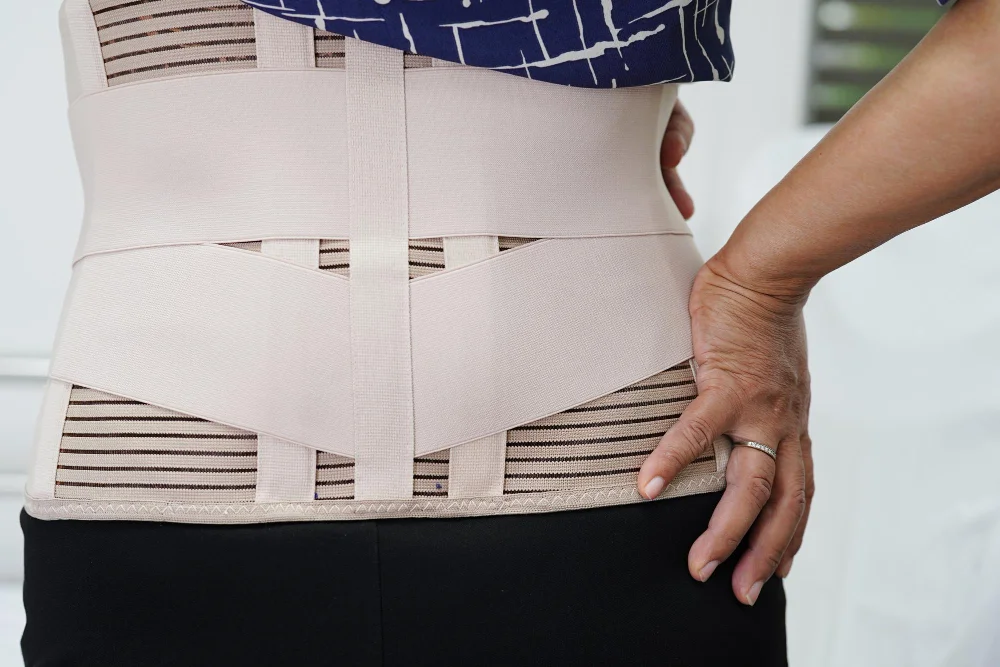
Abdomen and flanks: Body shaper or abdominal binder — covers from under the bra to the hip crease Thighs: Thigh or mid-thigh compression shorts Arms: Arm compression sleeves Neck/face/chin: Chin-strap or facial compression wrap Full torso: Vest garments for chest and breast liposuction
Fit Matters Enormously
A compression garment that is too loose provides no benefit. One that is too tight creates pressure points, increases pain, and can compromise circulation. Morph Aesthetic ensures correct fitting at the time of discharge and addresses any fitting issues at follow-up.
Common Mistakes Patients Make With Compression Garments
“I’ll wear it when I feel I need it” — Compression is preventive, not reactive. By the time you feel swelling, the damage to your result has already occurred.
Removing it during rest because it’s uncomfortable — The first week is uncomfortable regardless. Consistency during this phase has the greatest impact on your outcome.
Cutting corners in week 3 because swelling looks better — Surface swelling reduces before deep tissue healing is complete. Premature removal affects the deeper result that becomes apparent at 3–6 months.
Wearing it over tight clothing or with uneven fabric — This creates localised pressure points that can cause marks or uneven compression. Wear it next to skin as instructed.
Using a second-hand or ill-fitting garment — Garment shape and size must be appropriate for your body and the treated area. A garment that works for a different body shape will not provide the right compression pattern.
Complete Liposuction Recovery Timeline
Day 1–3: Immediate Post-Op
- Significant swelling and bruising expected
- Compression garment on 24/7
- Surgical drains may be in place
- Rest at home, light ambulation every 2 hours
- Prescribed antibiotics and anti-inflammatory medication
Week 1: Healing Begins
- Drain removal (if applicable)
- Post-operative review with Dr. Vanzara/Dr. Kadia
- Gentle walking encouraged
- No strenuous activity, no lifting
- Compression garment 22–24 hours/day
Weeks 2–4: Swelling Reducing
- Most bruising resolved
- Swelling still significant but improving
- Light activity increasingly comfortable
- 16–20 hours/day compression
- Begin lymphatic massage (if recommended)
Weeks 4–8: Visible Improvement
- Shape begins to emerge as swelling reduces
- Return to work for most desk-based occupations
- Light exercise (walking, gentle cycling) resumable
- 12–16 hours/day compression
Months 3–6: Final Results
- 70–80% of final result visible at 3 months
- Skin continues to tighten through 6 months
- Final result evaluation at 6-month follow-up
- Compression as needed or as directed
Frequently Asked Questions
Conclusion
The pressure garment is not an inconvenient afterthought — it is as important to your liposuction result as the surgery itself. Patients who wear compression consistently, correctly, and for the full recommended duration reliably achieve smoother, flatter, and more precisely contoured results than those who do not.
At Morph Aesthetic, Sola, Ahmedabad, Dr. Dhaval Vanzara and Dr. Ronak Kadia provide comprehensive post-liposuction care — including correct compression garment fitting, lymphatic massage guidance, and close follow-up through your full recovery.
📍 Morph Aesthetic, Sola, Ahmedabad | 🌐 morphaesthetic.com
EXCELLENTTrustindex verifies that the original source of the review is Google. Good experiencePosted on GoogleTrustindex verifies that the original source of the review is Google. It is a very good clinic with a very helpful staff and extremely clean. It gives u a personalized experience and comfort like never before❣️Posted on GoogleTrustindex verifies that the original source of the review is Google. good behaviour and nice counsaltuntPosted on GoogleTrustindex verifies that the original source of the review is Google. Had a great experience with dr Ronak and dr dhaval for surgery , sakshi ma’am and dr shruti also served us meticulously.Posted on GoogleTrustindex verifies that the original source of the review is Google. Excellent service and amazing result. Highly recommend morph anesthetic. Professional staff.great care.and a wonderful experience. Best plastic surgeon in Ahmedabad.Posted on GoogleTrustindex verifies that the original source of the review is Google. Very nice service..Posted on GoogleTrustindex verifies that the original source of the review is Google. I recently had my child's surgery done at Morph Aesthetic Clinic by Dr. Dhaval Vanzara and Dr. Ronak Kadia, and I couldn't be happier. Both doctors are exceptionally skilled and professional. Before the procedure, they explained everything to me so clearly, and the final result is exactly what I expected and hoped for. Beyond their expertise, both doctors have a wonderful, kind, and supportive nature. Highly recommend this clinic for their outstanding care and perfect results.Posted on GoogleTrustindex verifies that the original source of the review is Google. Nice and clean work and dr is so humble and passionate for work and so good for attend the patient